

What Is The Statute Of Limitations On A Personal Injury Case?

What Is The Statute Of Limitations On A Personal Injury Case?

Personal injuries can lead to major life setbacks and cause tremendous medical bills for victims. Anytime somebody is harmed due to the negligent actions of another person, they should be fairly compensated for their losses. At Trial Lawyers for Justice, we are here to help when you need to Cedar Rapids personal injury attorney. We understand these cases and will work to secure any compensation you are entitled to.

Choose Trial Lawyers For Justice For Help With Your Case

After sustaining a serious injury, you need help from an attorney with extensive experience handling these cases. Trial Lawyers for Justice is ready to get to work.

  • We make sure that every personal injury client that we take receives personalized attention for their case because we believe this is the best way to meet their goals and needs.
  • We have secured hundreds of millions of dollars on behalf of clients, including $13.86 million for a professional fighter who suffered a mild traumatic brain injury after a car crash and an $18.6 million verdict on behalf of a child who was run over by a garbage truck and lost his leg.
  • We take all Cedar Rapids personal injury cases on a contingency fee basis, which means clients pay no legal fees until after we secure the compensation they deserve.

What Will An Attorney Do In A Personal Injury Case?

In the aftermath of sustaining a serious injury, an attorney is often necessary because they will have the resources to conduct a full investigation into the incident. A Cedar Rapids personal injury lawyer will:

  • Obtain all evidence related to the case, including reports, video or photo surveillance, eyewitness statements, and more.
  • Work with trusted medical professionals to fully evaluate their client and help assess the total compensable losses.
  • Negotiate with all parties involved to obtain a fair settlement for their client.

Understanding How Personal Injuries Occur

Personal injury lawsuits in Cedar Rapids arise in numerous different ways, but they always revolve around the negligence of one person, company, or entity causing harm to another person. At Trial Lawyers for Justice, we regularly help those who have been injured due to the following:

  • Car Crashes
  • Truck Crashes
  • Medical malpractice
  • Medication errors
  • Construction
  • Product liability
  • Police brutality
  • Birth injuries
  • Dog bites
  • Motorcycle crashes
  • Slip and fall
  • Other premises injuries
  • Train crashes
  • Wrongful death

Injuries from these incidents can be severe. It is not uncommon for victims that we help to have sustained the following:

  • Traumatic brain injuries
  • Spinal cord drama with paralysis
  • Broken and dislocated bones
  • Serious lacerations
  • Amputation injuries
  • Internal bleeding or internal organ damage

Victims in these often sustain significant scarring and disfigurement as well as substantial emotional and psychological trauma.

How Much Compensation Is Available For A Personal Injury Claim?

If you or somebody you love sustains an injury caused by the negligence of another person, company, or entity, there may be various types of compensation available for your claim. At Trial Lawyers for Justice, we conduct full investigations into these cases in order to secure the following for our clients:

  • Coverage of all medical expenses related to the injury
  • Compensation for lost wages and benefits if a victim cannot work
  • Pain and suffering as well as loss of personal enjoyment damages
  • Possible punitive damages against a grossly negligent party

Reach Out To Our Legal Team Today

If you need a Cedar Rapids personal injury attorney, you can contact us for a free consultation of your case by clicking here or calling (866) 854-5529.
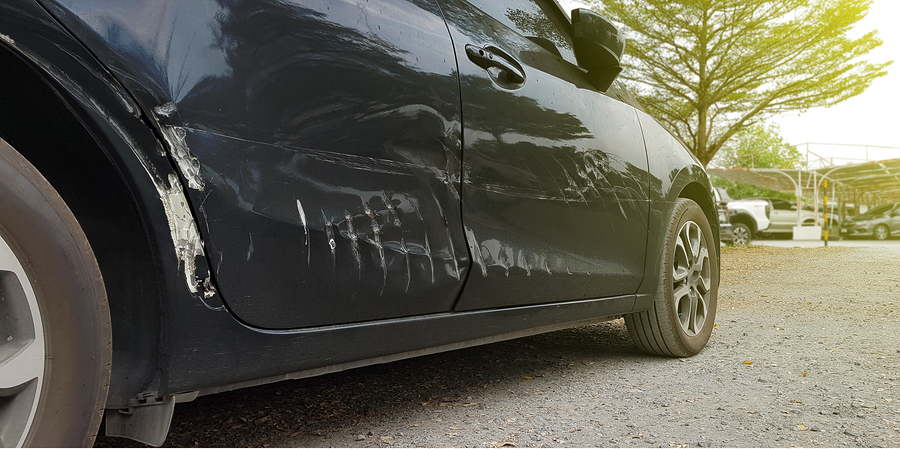

What is the Statute Of Limitations For Auto Crashes?

What is the Statute Of Limitations For Auto Crashes?

If you have been injured in a car crash caused by a negligent driver, you have the right to file a lawsuit against the at-fault party to recover compensation for your injuries. But, the lawsuit must be filed within a certain period of time after the accident occurred or it will be thrown out of court. This period of time is known as the statute of limitations, and it’s important for every car accident victim to be familiar with this law.

The Statute of Limitations on Car Crash Cases Involving Injuries

The statute of limitations on personal injury cases varies from state to state. In the state of Iowa, the statute of limitations on car crash cases involving injuries is two years. This means that people who have been injured in car crashes have two years from the date of the incident to file a lawsuit against the at-fault party. By filing a lawsuit, these victims may be able to recover compensation for their medical expenses, lost wages, and pain and suffering related to their injuries.

The Statute of Limitations on Car Crash Cases Involving Property Damage

Sometimes, people who are involved in car crashes are lucky enough to walk away from the crash without any injuries. Even if a crash does not cause any injuries, the collision could still be powerful enough to cause property damage. The statute of limitations on property damage claims is five years in Iowa. This means car crash victims have five years from the date of the crash to recover compensation for damage to their personal property. Therefore, if you miss the two-year deadline to file a personal injury claim, you still have time to recover compensation for property damage.

Victims should understand that they can recover compensation for any damaged property, not just their vehicle. For instance, if the bike secured to the back of your vehicle was damaged as a result of the collision, the at-fault party’s insurance company would be responsible for this damage. As long as you can provide proof of the damage, you will be able to recover compensation for it.

The Statute of Limitations on Wrongful Death Cases in Iowa

Sadly, many traffic crashes cause fatal injuries. When a fatal crash occurs, the victim’s surviving family members can file a wrongful death lawsuit instead of a personal injury lawsuit to recover compensation for their losses. The statute of limitations on wrongful death cases is two years in Iowa. However, the countdown on the two-year clock does not necessarily start on the date the accident occurred. Instead, it starts on the date of the victim’s death.

For example, let’s say someone is involved in a car crash and taken to the hospital with life-threatening injuries. The victim is treated in the hospital for several weeks before passing away as a result of their injuries. In this case, the victim’s family would have two years from the date of the victim’s death, not the date of the crash, to file a wrongful death claim against the negligent driver.

The Clock is Running During Negotiations With Insurance Companies

Most car crash victims will attempt to negotiate a settlement with the at-fault party’s insurance company prior to filing a lawsuit. In fact, the vast majority of car crash cases are resolved outside of the courtroom through these negotiations. Sometimes, the two parties are able to reach a settlement fairly quickly, however in other cases, the negotiations may continue for well over a year. It’s important for car crash victims to know that the clock is running during the negotiations with the insurance adjuster. You will not be allowed to file a lawsuit after the two-year statute of limitations has passed simply because you were tied up in negotiations.

Insurance adjusters know that, which is why many of them will attempt to stall the negotiations for as long as possible. This is one of the many reasons why it’s in your best interests to work with an experienced personal injury attorney. An attorney will ensure that the insurance adjuster does not use stall tactics to delay a settlement. If the insurance adjuster is not willing to make a reasonable offer, an attorney will file a lawsuit within the statute of limitations to pursue compensation in court. The lawsuit does not need to be fully resolved by the time the statute of limitations is up, but it does need to be filed.

What Happens If a Lawsuit is Filed Outside of the Statute of Limitations?

Some car crash victims attempt to file a lawsuit outside of the statute of limitations even though they know their time has run out. When this happens, the defendant named in the lawsuit usually asks the court to dismiss the case since the statute of limitations has expired. The judge presiding over the case will most likely grant the defendant’s request by dismissing the case and releasing the defendant from liability for the crash. Therefore, it is not worth it to attempt to file a lawsuit outside of the two-year window provided by law.

Were you injured in a car crash caused by a negligent driver? If so, contact Trial Lawyers for Justice today to schedule a consultation regarding your case. Car crash victims only have two years from the date of the incident to file a personal injury lawsuit. Two years may seem like a lot of time, but it can go by quickly. For this reason, it’s best to contact our law office as soon as possible after a crash. Our experienced personal injury attorneys will help you seek justice against the negligent parties and recover the compensation that you deserve for your injuries.

Can I File a Lawsuit for the Death of My Unborn Child?

Can I File a Lawsuit for the Death of My Unborn Child?

Losing a loved one is never easy, especially if their death could have been prevented. When a family loses a loved one due to the negligent acts of another person, they typically have the right to file a wrongful death claim against the responsible party. But, the law is a bit more complicated when the deceased is an unborn child. Here is what you need to know about recovering compensation for an unborn child:

What is a Wrongful Death Claim?

Before learning how to recover compensation for the death of an unborn child, it is  important to understand the ins and outs of a wrongful death claim. A wrongful death claim is a civil lawsuit that is filed by the deceased is family. The purpose of a wrongful death claim is not to ensure the defendant is charged with a crime or put in jail. Instead, the purpose of a wrongful death claim is to recover compensation from the negligent party responsible for the victim is death.

Compensation may be awarded in a wrongful death case to cover any expenses the family has incurred or losses they have suffered as a result of the victim is death. Compensation can also be awarded for the emotional pain and suffering that family members endure after losing a loved one. Any compensation that is awarded to the family in a wrongful death case is distributed as part of the victim is estate. Therefore, the compensation is not awarded directly to the victim is family, but rather to the victim of estate.

Wrongful Death Laws For Unborn Children in Iowa

The wrongful death laws regarding unborn children vary from state to state. In Iowa, the law only applies to children that lived outside of the womb prior to their death. As a result, if an unborn child suffers fatal injuries, the unborn child of estate cannot file a wrongful death claim in order to recover compensation. However, if the child is born prematurely due to the incident prior to passing away, the child of estate may be able to recover compensation in a wrongful death lawsuit.

The laws are written in this way because an estate cannot be established for a child that has not been born yet. But, if the child is born, regardless of how long the child lives, an estate is created. Therefore, it would be impossible for the unborn child’s estate to file a wrongful death claim since no such estate legally exists.

How Parents Can Recover Compensation For the Death of Unborn Children

It’s  true that parents cannot recover compensation by filing a wrongful death claim on behalf of the unborn child’s estate. However, this does not mean the family does not have other legal options. In some cases, the parents may be able to recover compensation by filing a claim themselves instead of filing a claim on behalf of the unborn child’s estate. If permitted, the parents may be able to recover compensation for any medical expenses they incurred as a result of the unborn child‚ of death. Parents can also be awarded compensation for the pain and suffering they experienced as a result of losing a child in such a tragic manner.

For example, let’s say a pregnant woman is involved in a car crash caused by another driver and her unborn child suffers fatal injuries. A wrongful death claim cannot be filed on behalf of the unborn child’s estate. But, the woman can file a claim against the at-fault driver to recover compensation for her expenses and losses. This can include expenses and losses related to the injuries that she suffered in the crash in addition to expenses and losses related to the loss of her unborn child. Although it is not technically a wrongful death claim, this allows parents to recover compensation when their unborn child is killed due to the negligent acts of another person.

What Types of Compensation Can Parents Recover?

Parents may be able to recover economic, non-economic, and punitive damages from the party responsible for their baby’s death. Economic damages are awarded to compensate the parents for any expenses they have incurred as a result of the crash. For example, women who lose a child in the middle of their pregnancy typically need to be treated and monitored by a doctor. Any expenses incurred as a result of this treatment should be included in the claim filed against the negligent party.

Non-economic damages are awarded to parents who have experienced pain and suffering as a result of their unborn child’s death.

For example, some parents may go through periods of depression or anxiety after tragically losing an unborn baby. All parents who lose an unborn child must be emotionally prepared to cope with the fact that they will never meet their baby. This can be incredibly challenging for parents, which is why they are often awarded compensation for their immense pain and suffering.

Finally, parents may be able to recover punitive damages as well. Punitive damages are awarded in cases where the defendant acted with extreme malice or negligence. The court orders the defendant to pay punitive damages when they want to make an example out of the defendant and punish them for their extremely negligent behavior.

If you have lost a loved one due to the negligent acts of another person, contact Trial Lawyers for Justice today to schedule a consultation regarding your case. Parents who have lost an unborn child in a tragic incident may not be able to file a wrongful death claim, but they could have other legal options available.

Our wrongful death attorneys will determine the best way to move forward in your case, and then we will fight tirelessly to hold the at-fault parties accountable for their negligent behavior.

Who is Responsible for Rental Truck Collisions?

Who is Responsible for Rental Truck Collisions?

Rental trucks aren’t as large as commercial trucks, but they are much bigger than standard-sized passenger vehicles. Their size makes them more difficult to drive, but unfortunately, the law does not require drivers to go through training or obtain a special license in order to operate one of these vehicles. In fact, it is possible for anyone who is a licensed driver to rent one of these trucks. As a result, these rental trucks are involved in many collisions every year.

If you are ever injured in an crash involving a rental truck, it’s important to understand who is liable for your injuries. Here’s what victims need to know:

The Liability of Rental Truck Drivers

The driver of the rental truck could be held liable if their negligence caused the collision. For example, let’s say the rental truck driver ran a red light and crashed into your vehicle while you were driving through an intersection. In this example, the driver of the rental truck would be liable since their negligent decision to violate a traffic law directly led to the crash. Other examples of negligent behavior include distracted driving, intoxicated driving, speeding, and reckless driving.

In most traffic crash cases, the driver’s insurance company is responsible for compensating the victim for their injuries. However, it is important to note that many insurance policies do not cover rental truck crashes. If the driver’s insurance company does not cover these incidents, the driver would be personally liable for the victim’s injuries. The only exception would be drivers that chose to purchase insurance through the rental truck company. In this case, the insurance company would be responsible for paying damages.

The Liability of the Rental Company

The company that rented the truck to the driver can also be held liable under certain circumstances. Every rental truck company is legally obligated to maintain their trucks so they are safe to operate. If a crash occurs as a result of poor maintenance, the rental truck company is liable for the victim’s injuries.

The rental truck company must also ensure that they are only renting their trucks to responsible and licensed drivers. If a rental truck company rents a truck to someone who is not licensed, they could be liable if this person injures someone while driving the truck. The rental truck company can also be held liable for renting the truck out to someone who is clearly intoxicated. Drivers who are under the influence of drugs or alcohol are in no condition to drive, so renting a truck to them would be negligent.

The Liability of Manufacturers

It’s also possible for the manufacturer of the rental truck or the truck’s parts to be held liable for a victim’s injuries. The liability falls on the manufacturer when a defective product causes the crash. For example, let’s say the brakes on the rental truck are defective and begin malfunctioning while the driver is operating the vehicle. If the rental truck collides with another vehicle as a result of the defective brakes, the manufacturer would be liable for the victim’s injuries.

It’s important to note the difference between defective brakes and brakes in need of repair. It is the manufacturer’s responsibility to create and sell brakes that work properly, but it is the rental truck company’s responsibility to maintain the brakes and make necessary repairs. If the brakes give out because they were in desperate need of repair, the truck company is to blame, not the manufacturer. But, if the brakes give out as a result of a production defect, it is the manufacturer’s fault.

Who is Liable For Injuries Sustained While Using the Rental Truck?

Many people who rent these trucks are injured before they even get on the road. For example, you can hurt yourself while lifting heavy boxes into the truck, securing the boxes in the back of the truck, unloading heavy items from the truck, or even pulling yourself up into the driver’s seat.

If you are involved in one of these rental truck collisions, you may wonder whether it is possible to hold someone accountable for your injuries. But in most cases, the rental truck company is not liable for random injuries that are sustained while you are using the truck. For instance, you cannot take legal action against the moving company if you strain your back while loading or unloading a heavy box. It is your responsibility, not the rental truck company’s, to learn how to safely lift your belongings. However, it is possible to hold the moving company liable for other injuries.

Let’s say you are using the loading ramp on the back of the truck to load your items inside the vehicle. If the loading ramp suddenly collapses, the moving truck company could be held liable for failing to maintain their trucks. The moving company can also be held liable if they fail to warn you about certain dangers you may encounter while using the truck.

Determining liability in a rental truck crash is rather complicated. The general rule of thumb is the party that is held liable is the one whose negligence directly led to your injuries. But, it’s not always clear who was negligent, if anyone, in a rental truck crash. For this reason, it is best to seek legal representation from a truck crash attorney instead of trying to answer these questions on your own.

Have you been seriously injured in a rental truck crash? If so, contact Trial Lawyers for Justice today to schedule a consultation regarding your case. Our personal injury attorneys will immediately begin investigating the circumstances to determine who is at fault for the crash. Then, we will work tirelessly to recover as much compensation as possible for your injuries.

Defective Products: Who is Liable & What You Need to Know

Defective Products: Who is Liable & What You Need to Know

Consumers trust manufacturers and retailers enough to assume that every product they sell is safe for consumer use. But unfortunately, sometimes a product that is on store shelves is defective and dangerous, which consumers don’t realize until they’ve already been injured by it. What types of defects can make a product dangerous? Who is liable if you’ve been injured by one of these defective products? Here’s what you need to know about product liability cases:

Types of Product Defects

There are three main categories of product defects that you should know about. The first category is design defects, which as the name suggests, are defects within the design of the product. An example of a design defect is a ladder that is not designed to withstand a significant amount of weight. If the structure is designed so poorly that the ladder will cave in whenever someone steps onto one of the rungs, this is a dangerous design defect that could lead to serious injuries.

nBut, an injury cannot be blamed on a design defect if the product’s design was reasonably dangerous. For instance, knives need to have sharp blades in order to cut through food. If you accidentally cut your finger while chopping vegetables, this cannot be blamed on the product’s designer. In this case, the knife is reasonably dangerous because the blade needed to be sharp in order to make the product effective.

The second type of product defects is a manufacturing defect, which means the defect did not occur in the design phase of the product, but rather during its production. In this case, the product would have been safe for consumer use if it had been manufactured correctly since there is nothing wrong with the design.

Take another look at the ladder example from above. An example of a manufacturing defect would be a rung that is not properly attached to the rest of the ladder due to an error in production.

The final category of product defects is marketing defects. A product has this type of defect if it does not contain adequate warning labels or instructions that explain how to use the product and any associated risks of using it. For example, let’s say a ladder is only designed to hold 200 lbs. before it becomes unstable. A man who weighs over 200 lbs. should be warned that using the ladder is dangerous since it is not designed to hold his weight. But if there is no warning label on the product, the man has no way of knowing this, so he could seriously injure himself as a result of this defect.

Who is Liable For Defective Products?

There are several parties that can be held liable in a product liability lawsuit. To determine who is liable, a products liability attorney must first determine what type of defect was to blame for your injuries. If it was a design defect, the designers and engineers of the product would be held liable for any injuries that occurred. However, if it was a manufacturing defect, these parties would not be responsible. Instead, the manufacturer of the product would be held liable for the injuries since the defect was a production error. Multiple parties, including manufacturers, distributors, and retailers can be held liable in the event that a marketing defect caused someone harm. This is because these parties all have a responsibility to make sure the products that they produce and sell are labeled appropriately.

All of these parties will try to point the finger at one another in order to escape liability. For this reason, it’s important to work with a personal injury attorney who knows how to gather evidence that can be used to prove what type of defect it was and who is responsible for it. The defendants in product liability cases will have experienced attorneys representing them, so you will need an attorney who knows how to go up against these high-powered legal teams.

What Victims Should Know

There are a few other things that victims should know before filing a product liability claim. First, it’s important to note that no one can be held liable for a product’s defects if you were injured while using the product in a way that it was not intended to be used. For instance, a ladder is supposed to be placed on a flat surface so someone can climb on it in order to reach something. If you are injured while using a ladder in any other way, the manufacturers, retailers, distributors, and designers cannot be held liable since you were not using the product correctly.

Defective product victims should also keep in mind that there is a statute of limitations on product liability lawsuits that limits the amount of time they have to file a lawsuit. The statute of limitations for product liability lawsuits varies by state. In Iowa, it is two years, which means victims have two years from the date of the injury to take legal action. Two years may seem like a lot of time, but it can fly by quickly if you are trying to recover from your injuries. For this reason, it’s best not to wait until the two-year time limit is almost up. Act quickly so you can give your personal injury attorney as much time as possible to gather evidence and build a strong case against the defendant.

Have you been injured by a defective product? If so, contact Trial Lawyers for Justice as soon as possible to schedule a consultation regarding your case. Product liability cases can be extremely complex, so you will need our team of skilled personal injury attorneys to help you recover compensation for your medical expenses, lost wages, pain and suffering, and more.

Why Don’t Insurance Companies Settle Injury Cases?

Why Don’t Insurance Companies Settle Injury Cases?

It’s been reported that between 95-96% of all personal injury cases are settled outside of the courtroom in negotiations between the plaintiff and the at-fault party’s insurance company. But, this means that insurance companies are not willing to settle approximately 4-5% of personal injury cases. Why would an insurance company decide not to settle with the injured party? Here are some of the reasons:

Insufficient Proof

The most common reason that an insurance company will not settle an injury case is insufficient proof. The insurance adjuster will not make an offer without investigating the accident. First, the adjuster needs to find evidence that proves their policyholder is actually to blame for the crash. Insurance adjusters often rely on witness testimony, surveillance footage, police reports, and accident reconstruction experts to determine who is to blame. Then, the adjuster needs to see proof of the victim’s injuries that were sustained in the accident. The victim must send the insurance adjuster detailed medical records that clearly show the extent of the injuries. These records should also include information on how the injuries were treated so the insurance adjuster has a clear picture of what you’ve endured.

If everything checks out, the insurance adjuster can calculate the value of the claim and start settlement negotiations. However, if there is not sufficient proof of liability or the victim’s injuries, the insurance adjuster may refuse to make an offer.

Working with an attorney can help you avoid this problem. An attorney can ensure the insurance adjuster has the evidence they need to identify the liable party and verify your injuries. An attorney can also present the evidence in a clear and convincing manner so the insurance adjuster cannot attempt to deny your claim due to insufficient evidence.

Pre-Existing Injuries

The insurance company may choose not to settle your claim if they find proof of pre-existing injuries. As its name suggests, a pre-existing injury is a condition or injury that was present prior to the accident. If you have a pre-existing back injury, for example, it could be difficult to reach a settlement for a back injury sustained in a car accident. The insurance adjuster may argue that you have back pain as a result of your pre-existing injury, not the accident. It’s important to work with an attorney to show the insurance adjuster that your pre-existing injuries are unrelated to those sustained in the accident.

Sneaky Strategy

Many insurance companies will use sneaky tactics to delay a settlement. They may ask for detailed information that they don’t need or take a long time to get back to you with a counteroffer. All of these tactics are used in an attempt to wear you down so you give up and accept a settlement that is far less than the value of your claim. If it works, the insurance company will save money since they won’t have to pay you the amount you deserve. However, if it doesn’t work, the case may end up in court since the insurance company is unwilling to make a fair offer.

Filing Issues

Most insurance companies establish specific rules and procedures that must be followed when filing a claim. If you fail to follow one of their rules, it’s possible that you could lose the opportunity to recover compensation. For instance, if the insurance company requires all claims to be filed within 30 days of an accident, they may not settle with you if your claim is filed on the 31st day. For this reason, it is important to file your claim as soon as possible after the accident so you can recover the compensation you deserve.

Lack of Coverage

An insurance company will not settle if the accident was not covered by the at-fault party’s insurance policy. For instance, let’s say you were injured in a car accident on July 1st. If the at-fault party forgot to pay their insurance bill, their policy may have lapsed on the date of the accident. Even if the bill has now been paid, the insurance company is not obligated to compensate you since the at-fault party was not covered on the date of the accident. This means the insurance company will not attempt to reach a settlement with you since they are not at risk of being dragged to trial to resolve your case.

The Plaintiff’s Expectations Are Too High

Sometimes, the insurance company makes an effort to settle a case outside of the courtroom, but the plaintiff does not accept the offer because their expectations are too high. For example, if the plaintiff believes they should receive $100,000 and the insurance company only offers $75,000, the two sides may never reach a settlement.

Plaintiffs should never accept an offer that they believe is unfair, however it’s important to set realistic expectations. If your injuries were minor, it’s not realistic to think that you will receive a six-figure offer. It’s best to ask your attorney to provide a rough estimate of the value of your claim so you know what to expect.

Have you been injured as a result of someone else’s negligence? If so, contact Trial Lawyers for Justice today to schedule a consultation regarding your case. Our experienced personal injury attorneys will fight tirelessly to reach a fair settlement with the at-fault party’s insurance company. If a settlement cannot be reached, our team of personal injury attorneys will take your case to court. We will do whatever it takes to recover the compensation that our clients deserve.